Diving the Cabo de Palos – Islas Hormigas marine reserve: 4 days
Plan summary
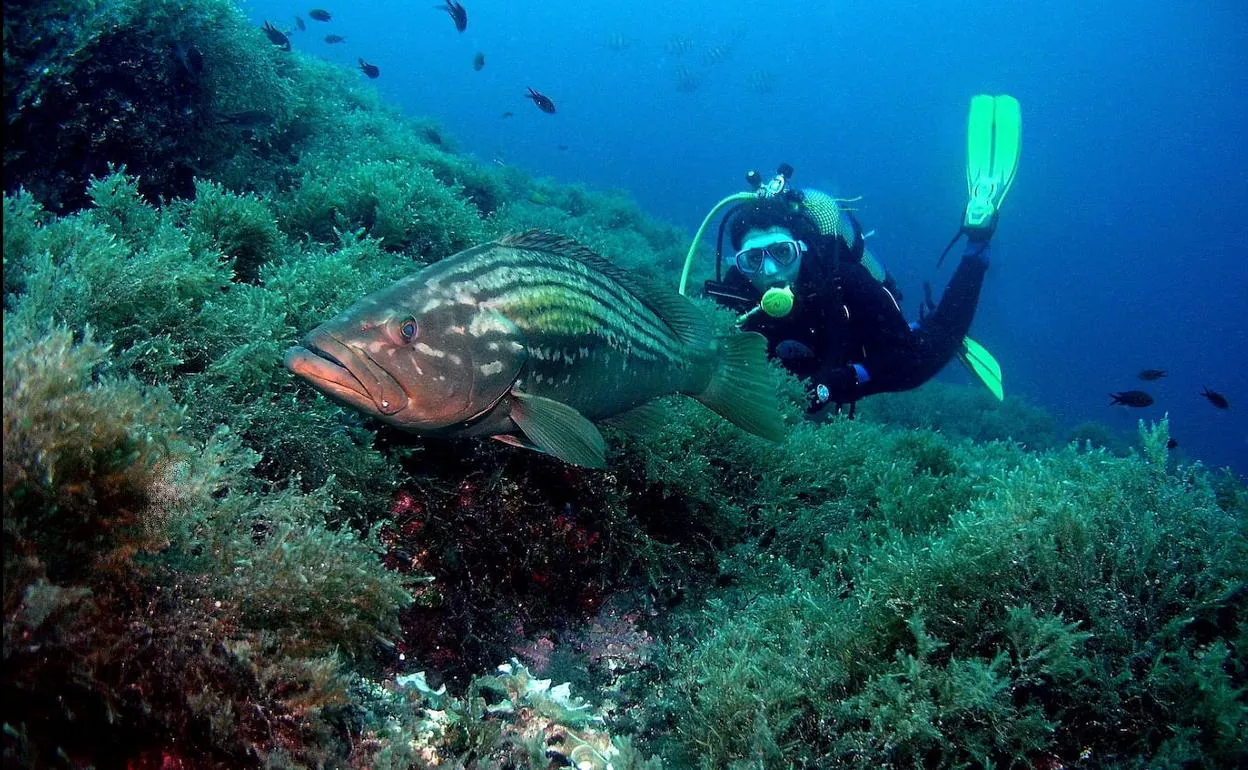
Four days of diving based in the fishing village of Cabo de Palos (Cartagena, Region de Murcia, Spain), centred on the Cabo de Palos – Islas Hormigas marine reserve: posidonia seagrass meadows, seamounts rising from 60 m to near the surface, grouper of a size rarely seen elsewhere in the Mediterranean, and historic wrecks including the Sirio (1906). Best months: May to October, water 18–27 °C. Diving is only allowed with reserve-authorised centres, and July–August slots should be booked weeks ahead. The plan includes a complete alternative for levante (easterly) days, when visibility drops.
Key facts
| Item | Detail |
|---|---|
| Duration | 4 days / 3 nights (6 dives + 1 optional) |
| Best season | May–October; June and September are the sweet spot |
| Base | Cabo de Palos village (everything walkable from the harbour) |
| Car | Not essential if you sleep in the village; needed for day 4 excursions |
| Indicative budget | 45–60 € per dive with full equipment, depending on centre and season — confirm with the centre |
| Level required | Open Water for the shallow seamounts; Advanced for Bajo de Fuera and the deep wrecks |
| Who it is NOT for | Anyone who can't accept wind dependency: here the levante rules and can cancel boat trips |
Day 1 — Arrival, harbour and a warm-up dive
RMU (Murcia) airport–Cabo de Palos: ~35 km · ~30 min via AP-7/RM-12 ALC (Alicante) airport–Cabo de Palos: ~110 km · ~1 h 15 minArrive and settle in. The village is walkable: fishing and marina harbour at its heart, dive centres clustered around it. Afternoon: warm-up dive on the inner seamounts (Piles I or similar, 12–18 m) — perfect for adjusting weights over posidonia meadows and salema schools.
Dinner at the harbour. The local dish is caldero del Mar Menor: a rich rice cooked in an iron cauldron with rockfish and dried ñora peppers, served in two acts (rice first, then the fish with alioli). In high season, book a table — the seafront restaurants fill up. Off-season many close midweek: hours vary, check before you go.
Day 2 — Islas Hormigas: Bajo de Dentro and Hormiga Grande
The big one. A two-tank morning in the integral reserve (boat ride, 15–25 min). Bajo de Dentro is the signature dive: an underwater mountain rising from 45 m to 3 m, covered in gorgonians, home to resident grouper over a metre long, barracuda tornadoes and, June to September, passing eagle rays. Second dive on Hormiga Grande or Bajo de la Testa depending on the sea.
Integral reserve: authorised centres only · limited daily quotas · book aheadSurface afternoon (no exertion after two dives): walk to the Cabo de Palos lighthouse (1865), the icon of the Murcian coast. Guided visits of about 30 minutes run for 6 € — small groups, book ahead. From the top: La Manga, the Mar Menor lagoon, Calblanque and the Hormigas islets on the horizon.
Day 3 — The wrecks: the Naranjito and the story of the Sirio
A two-tank wreck day. The Naranjito (the Isla Gomera, sunk in 1946 with a cargo of oranges — hence the nickname) sits upright between 27 and 43 m: the classic wreck-school of the Spanish Mediterranean, for Advanced divers. The historic alternative is the Sirio area: the Italian ocean liner lost on the Hormigas shoal in 1906, considered the worst maritime disaster of the 20th century on Spanish shores; its scattered remains are part of the reserve's underwater heritage.
Afternoon: free snorkelling at Cala Fria, by the lighthouse, or the cape coves — on a poniente day the water sits flat and glass-clear. Water shoes recommended: entries are rocky.
Day 4 — Reserve morning and a two-seas farewell
Morning: optional farewell dive on the shallow seamounts, or a guided snorkel trip in the reserve (a real option for non-diving companions). Then, with a car, two possible endings:
- Calblanque (~9 km, 15 min): unspoilt golden beaches and fossil dunes inside the regional park. In July–August car access is restricted and a shuttle runs from Los Belones — check current times.
- Marchamalo salt flats (~4 km): traditional salt pans between the cape and La Manga where flamingos often gather. Extraordinary light at sunset.
Where to stay
The logistics of this plan hinge on sleeping in the village, walkable from the harbour: dive boats leave early and summer parking is hard. For dive groups or families mixing diving and beach, 95Lighthouse Villa — 5 bedrooms, 10 guests, on the seafront of Levante Beach and a few minutes' walk from the harbour — is our recommendation for groups; this guide's affiliation with the villa is disclosed here. For couples or solo divers, the village has apartments and guesthouses within walking distance of the harbour.
Frequently asked questions
Can I dive the Islas Hormigas independently?
No. The integral reserve only allows diving with authorised centres under daily quotas; anchoring and fishing are banned. That is precisely why the ecosystem looks the way it does.
What level do I need for Bajo de Dentro?
Open Water divers enjoy the top of the seamount (3–18 m); the deep gorgonian walls and wrecks like the Naranjito require Advanced (or equivalent) and recent experience.
Can I visit the lighthouse and dive the Hormigas on the same day?
Yes — it's the natural combination: dives in the morning (boats leave early), lighthouse in the afternoon, when the guided visit gets the best light. Just avoid hard exertion right after diving.
What if the levante blows on my booked days?
Centres manage it daily: they move boats to sheltered seamounts, reorder the dives or cancel. That's why day 4 is deliberately flexible — it works as a wildcard if you lose a trip.
Is there anything for non-diving companions?
Yes: guided snorkelling in the reserve, kayak and paddle at Levante Beach, the lighthouse, Calblanque and the salt flats. Days 2 and 4 of this plan work almost entirely without a tank.
How to adapt this plan
- +1 day: add Roman Cartagena (28 km, ~30 min) — the Roman Theatre and the harbour.
- Without a car: days 1–3 work fine; for Calblanque in summer there's a shuttle from Los Belones, and a Cartagena–Cabo de Palos bus line exists with seasonal timetables — always check the operator's official site before relying on it.
- With family: swap day 3's wrecks for try-dives and snorkelling; the rest of the plan suits children who swim well.
Facts last verified: 2026-07-10