Roman Cartagena and the cape coast: 4 days
Plan summary
Four days of heritage with a double narrative base: three-millennia Cartagena — Punic, Roman, modernist and naval — and the historic coast of the cape: the 1865 lighthouse, the memory of the Sirio shipwreck (1906), the coastal batteries and the La Union mining landscape. A year-round plan that shines especially from October to May, when the sites are queue-free and the light is photographic.
Key facts
| Item | Detail |
|---|---|
| Duration | 4 days / 3 nights |
| Best season | All year; October–May, the perfect version |
| Base | Cabo de Palos |
| Car | Yes (Cartagena has car parks; the old town is walked) |
| Indicative budget | Theatre/museum tickets ~5-10 € each — verify prices and combined tickets on official sites |
| Who it is NOT for | Pure beach travellers: here the beach is the rest between centuries |
Day 1 — The cape: lighthouse, the Sirio and storied coves
Start on foot from your door: up to the Cabo de Palos lighthouse (1865, built over a 16th-century watchtower) — guided visit ~30 min, 6 €, book ahead — and the history around it: off these waters the ocean liner Sirio sank in 1906, and the rescue of hundreds of survivors by the village's fishermen ranks among the greatest civilian sea rescues in Spanish history. Afternoon of coves and harbour promenade.
Day 2 — Roman Cartagena: the theatre and the forum
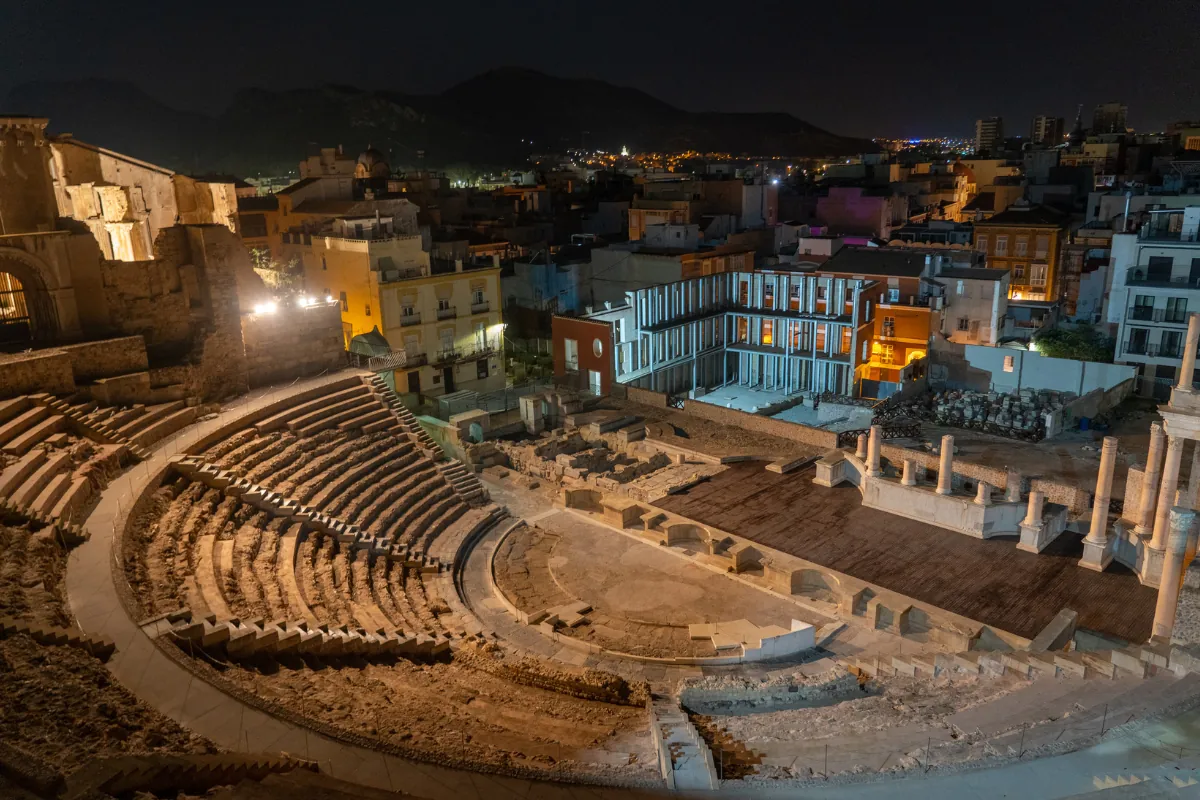
The centrepiece: the Roman Theatre (1st century BC), discovered beneath the modern city and masterfully curated, and the Roman Forum Quarter with its baths and wall paintings. Complete with modernist Calle Mayor and the harbour front. Hours, prices and combined tickets: official Cartagena Tourism site.
Cabo de Palos–Cartagena: ~28 km · ~30 min · park at harbour/centre car parks Tickets and combined passes: verify on the official Cartagena Puerto de Culturas sites — prices and hours change by seasonDay 3 — Naval and underwater Cartagena: Peral and the ARQVA
A second urban day, this time facing the sea: the Naval Museum with Isaac Peral's submarine (1888, the first electrically powered torpedo submarine — absolute local pride) and the ARQVA, Spain's National Museum of Underwater Archaeology: wrecks, amphorae and the story of the submerged heritage that connects directly with the cape's waters and the Sirio itself.
Day 4 — Coastal batteries and the mining landscape
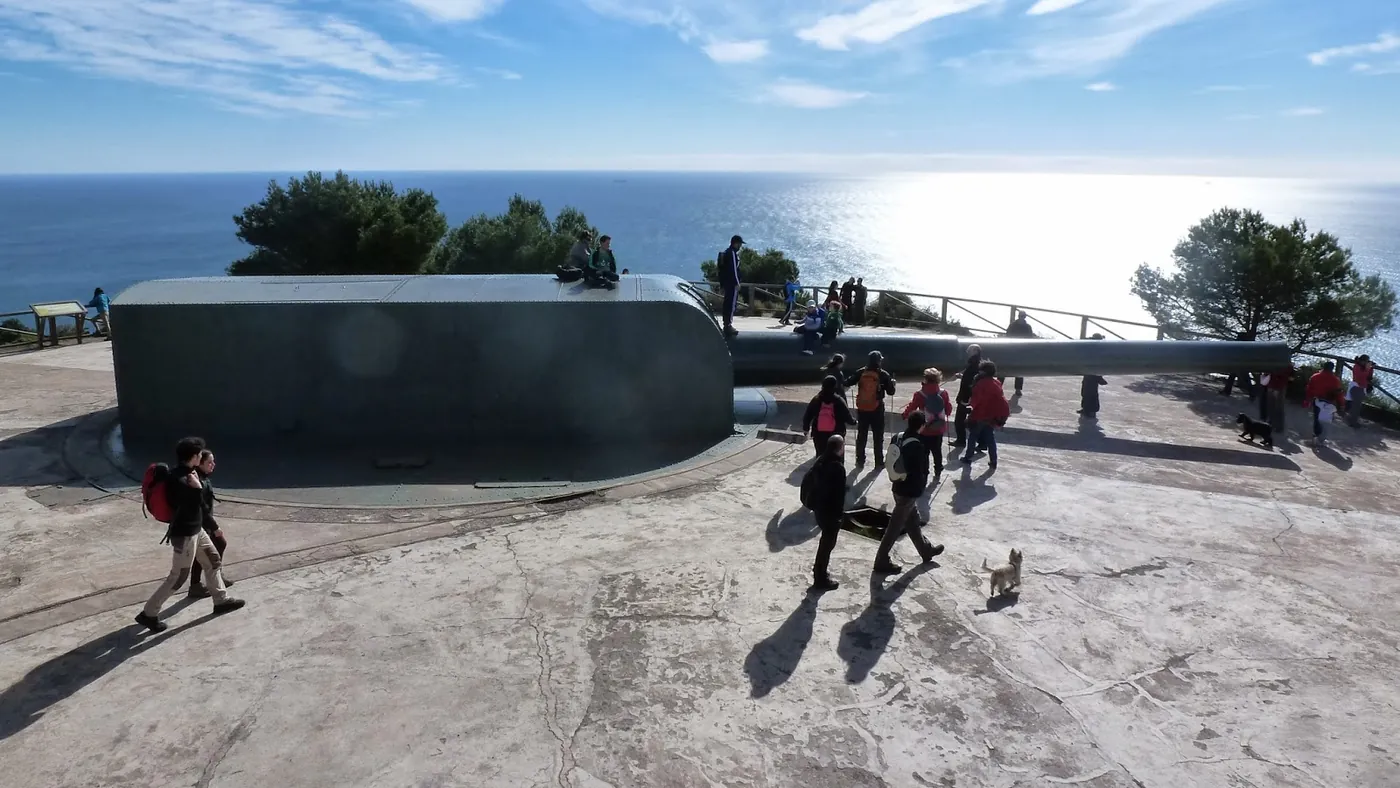
Panoramic close: walk up to the Bateria de las Cenizas (~310 m, paved traffic-free track, ~45-60 min), a 1930s fortification with the area's finest Mediterranean view, then an afternoon in La Union — mining landscape, the Agrupa Vicenta mine from the inside (verify times) and Portman's filled-in bay as an industrial and environmental epilogue.
Where to stay
Base in Cabo de Palos: urban heritage 30 minutes away and coastal heritage at your door — with the lighthouse for a neighbour. For families and groups, 95Lighthouse Villa — 5 bedrooms, 10 guests, seafront on Levante Beach with the lighthouse in view — is our recommendation; affiliation disclosed here.
Frequently asked questions
How long does the Roman Theatre need?
Museum plus theatre rewards ~1.5-2 h. With the Forum Quarter, a full half day — which is why this plan gives Roman Cartagena an entire day.
Is the ARQVA worth it after the theatre?
They complement each other: the theatre tells the city; the ARQVA tells the sea — and on this coast, with the Sirio and the reserve's wrecks on the doorstep, the underwater story lands personally.
Is this plan good with children?
Very: a Roman theatre as time machine, Peral's submarine, a helmet-on mine and a lighthouse with a shipwreck-and-heroes tale. One of the best wonder-per-kilometre plans for ages 6-14.
Does it work in high summer?
Yes, by inverting the clock: heritage first thing and late, coves in the central hours. August queues at the theatre are dodged with advance tickets.
How to adapt this plan
- +1 day: Cartagena's remaining sites (Punic Wall, Casa de la Fortuna) or a battery-circuit excursion.
- 3-day version (phase 2): days 1, 2 and 4.
- Rain (a local rarity): days 2 and 3 are fully indoors — this plan is the storm shelter.
Facts last verified: 2026-07-10